
closedGrant
Social and Affordable Homes Programme (SAHP) 2026 to 2036
Geschlossen
£65k – £27300.0m
 England
Vollständige Ausschreibung ansehen
The Greater London Authority (GLA) has formally opened applications for its massive decade-long housing initiative, offering up to £11.7 billion to construct housing units prioritizing social rent.
This is one highlighted opportunity. GrantGunner lists many more like it - open the full listing for deadlines, eligibility, and how to apply, then explore the wider pipeline and switch on alerts for new matches.
The launch of the London Social and Affordable Homes Programme (SAHP) 2026-2036 represents one of the most significant single pots of housing investment available today. Managed by the Greater London Authority (GLA), this programme signals a decade-long commitment (running from 2026 through 2036) to dramatically increase the supply of housing that Londoners truly need.
With a potential total grant allocation reaching an immense £11.7 billion, this is not merely a funding round; it is a strategic platform through which developers, local authorities, and registered providers can align their long-term development pipelines with the capital’s most pressing housing priorities.
This spotlight breaks down what this programme requires, who qualifies, and how you can strategically position your organization for success in securing this vital capital.
The scale of the funding-up to £11.7 billion-reflects the urgency of the housing crisis in London. However, the GLA has placed stringent requirements on how these funds must be utilized, ensuring that the investment directly addresses affordability gaps.
The defining feature of the SAHP 2026-2036 is the firm requirement that a minimum of 60% of all homes delivered through this grant funding must be designated for social rent tenure.
This foundational requirement shapes every proposal. Applicants must structure their schemes to ensure that the majority of units provide genuine long-term security and affordability benchmarked against social rent standards, rather than focusing primarily on higher-return intermediate products.
While social rent takes the primary focus, the programme also offers additional support for projects that incorporate shared ownership and intermediate rent products, allowing for a balanced approach across the affordability spectrum, provided the social rent target is met.
Securing capital from this programme is highly competitive and requires pre-qualification. The following entities are targeted audiences for this opportunity:
Crucially, the research brief indicates that all applicants must be qualified as a GLA investment partner to receive funding.
This is the primary gatekeeping mechanism. If your organization is not already recognized or qualified under the GLA’s existing framework for investment partnership, the immediate priority must be understanding and initiating that qualification process. Funding applications cannot proceed for those who have not met this prerequisite relationship status with the GLA.
Beyond meeting tenure requirements and partner status, the strongest proposals will succeed by clearly articulating the value added by the GLA investment. The programme demands that all projects demonstrate net additionality above standard planning requirements.
What does this mean for your proposal?
This requirement pushes applicants toward innovation, risk management, and demonstrating strategic alignment with London’s ambitious housing targets.
While the programme spans ten years (2026-2036), it operates under specific application windows. Organizations must note these crucial deadlines:
This is a fixed window-the research brief indicates this is not a rolling application process. Missing the April 2026 deadline means missing this specific tranche of funding, underscoring the need for immediate preparation.
Given the monumental scale of funding and the strategic prerequisites, preparation for the SAHP 2026-2036 must begin well in advance of the February 2026 opening date. Here are practical steps for interested organizations:
If you have not yet achieved qualification as a GLA investment partner, dedicate resources now to achieving this status. External funding is contingent upon this foundational relationship.
While the funding covers all of London, ensure your proposed sites are strategically located within areas identified by the GLA for high housing need or regeneration potential. Review the GLA’s overarching housing strategies to tailor your delivery pipeline.
The viability assessment must be airtight and centered around the 60% social rent target. Work with external consultants early to ensure your financial analysis definitively proves that your proposed scheme requires GLA subsidy to exceed standard market delivery.
Large-scale housing programmes require deep community and local authority buy-in. Start dialogues now with relevant boroughs or local councils about site control, design aspirations, and maximizing the social value derived from the proposed homes.
Understanding the requirements is the first step; managing applications efficiently is the next. Organizations interested in tracking the progress of the London Social and Affordable Homes Programme, or seeking similar large-scale infrastructure and housing grants across the UK, can easily find and monitor this opportunity, along with guidance on accessing official application portals, directly through the GrantGunner platform.
This £11.7 billion programme is an unparalleled opportunity to contribute meaningfully to London’s housing infrastructure for the next decade. Success hinges on strategic planning, partner alignment, and an undeniable demonstration of added social value.
The official guidance page detailing the framework and requirements for the SAHP.
The portal where applications for GLA investment opportunities are managed.
A rejection letter isn't a verdict-it's a diagnostic. Learn the seven most common reasons PhD and fellowship applications fail, and what to fix before you reapply.
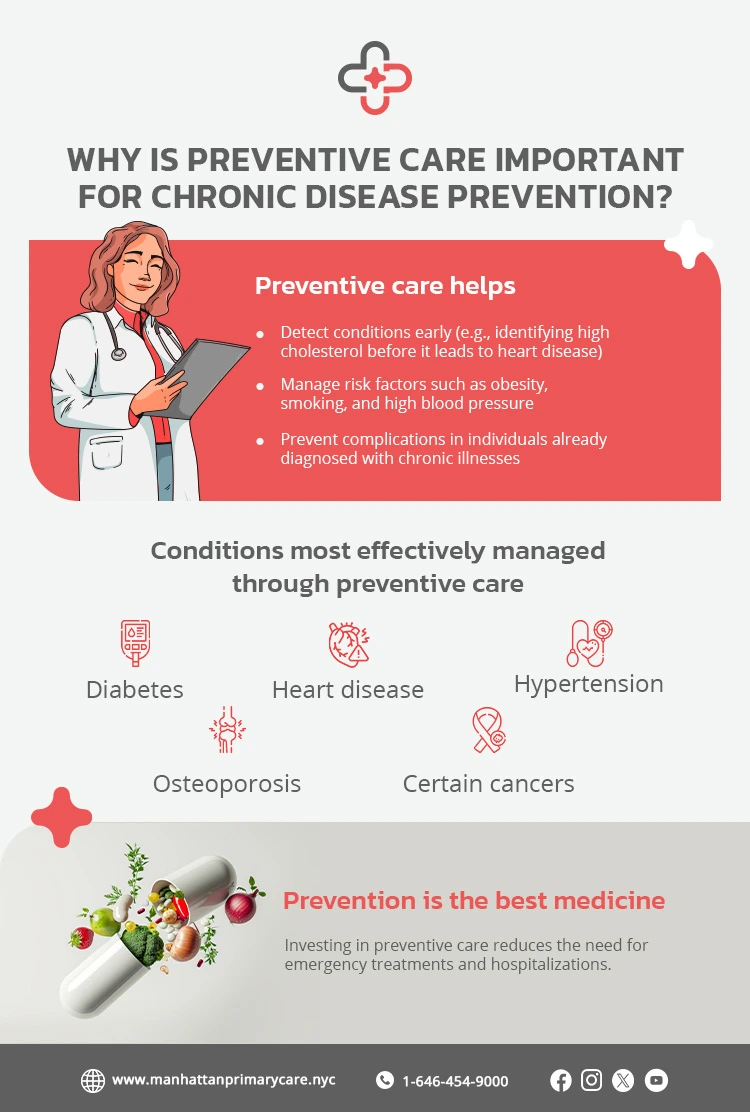
The Global Alliance for Chronic Diseases (GACD) invites implementation research proposals that tackle non-communicable diseases through multisectoral strategies, targeting underserved populations in low-, middle-, and high-income countries. Applications close June 17, 2026.

The Digital Energy Challenge’s Tech Accelerator offers African startups up to €150,000 in grant funding, expert mentorship, and international visibility to scale digital energy solutions. Apply by 17 June 2026.