
openCompetition
Clean Maritime Demonstration Competition 7: Feasibility studies
Ferme dans 3 semaines
£100k – £1.0m
 UK
UKVoir l'offre complète
Explore the vital first step in maritime innovation with CMDC7-a specialized grant opportunity backed by the Department for Transport for desk-based, high-potential feasibility studies.
This is one highlighted opportunity. GrantGunner lists many more like it - open the full listing for deadlines, eligibility, and how to apply, then explore the wider pipeline and switch on alerts for new matches.
The journey towards decarbonizing the maritime sector is one of the most critical, complex, and capital-intensive technological shifts facing the UK today. From port infrastructure upgrades to novel propulsion systems for deep-sea vessels, achieving net-zero requires rigorous, front-loaded research and development.
For innovative UK businesses aiming to contribute to this vital transition, the Department for Transport (DfT), working through Innovate UK, frequently provides crucial early-stage support. This spotlight focuses on a targeted injection of funding designed specifically to de-risk concepts before they require large-scale physical demonstration: The Clean Maritime Demonstration Competition 7 (CMDC7): Feasibility Studies strand.
This opportunity is not for building prototypes; it is for proving the concept on paper. If your organization has a breakthrough idea for cleaner shipping, but needs robust technical and economic validation, CMDC7 Fesibility Studies is precisely where you should focus your attention.
Innovate UK competitions often run in sequential phases. A feasibility study grant represents the foundational step. The goal here is to thoroughly investigate the technical viability, market potential, and economic hurdles of a proposed clean maritime technology before committing significant capital to physical trials or large demonstrations in later competition strands.
What CMDC7 Feasibility Studies Funds:
This strand is explicitly geared towards desk-based technical and economic feasibility studies. This means successful projects will deliver comprehensive documentation, analysis, and modelling demonstrating credibility across several fronts:
Crucially, the brief states that these studies must be associated with future real-world demonstration. You must clearly articulate how your desk study acts as the necessary precursor to moving into a tangible project iteration.
While the precise percentage of funding provided (the grant rate) is not detailed within the brief, the scope of the total eligible project costs is strictly defined. Applicants must structure their feasibility study budgets within the following strict boundaries:
This range suggests that the DfT/Innovate UK is looking for substantial, in-depth studies, moving beyond simple exploration toward detailed engineering assessments and robust financial modeling. Unlike smaller innovation grants, this scale implies a high bar for the quality and depth of the resulting feasibility report.
Furthermore, time management is critical:
This competition targets organizations ready to conduct high-level, independent research, but it is designed to be accessible to a broad spectrum of innovators within the UK ecosystem.
While SMEs and Startups are explicitly listed as a key target audience-understandably, as they often drive niche innovation-established companies with proven R&D capabilities are equally welcome to lead these necessary investigative projects.
Given the competitive nature of Innovate UK calls, preparation must be focused, especially when the deliverable is a desk study rather than physical hardware.
Be exceptionally clear about the precise maritime bottleneck your technology addresses (e.g., ammonia storage, high-efficiency hydrogen fuel cells for ferries, zero-emission port charging). Because this is a feasibility study, the methodology of the desk study itself must be robust. Detail the specific analytical techniques, existing research you will leverage, and the assumptions you will test.
Funders want to see that the technology, once proven feasible technically, is also economically viable in the long term. Your economic study must include:
Review past and ongoing DfT/Innovate UK demonstration calls (if possible) to ensure your feasibility study is targeting potential technologies that would be capable of being funded in subsequent, larger-scale demonstration phases. A study that results in a concept too small or too specialized for future significant demonstrators may score poorly.
Knowing that exploitation must remain UK-based, detail how the IP developed during this study will be commercialized within the UK. Will it lead to new UK manufacturing capacity, service jobs, or intellectual property licensing within the British maritime industrial base?
While the brief provides excellent direction on scope and eligibility, applicants must be diligent in checking the official portal for specifics crucial to budgeting:
This is a time-sensitive opportunity, with the deadline set for July 15, 2026. If your UK-based business is positioned to undertake rigorous proof-of-concept work in the clean maritime space, do not delay.
GrantGunner can help you streamline your process. You can explore the full details of the Clean Maritime Demonstration Competition 7: Feasibility studies, check the exact deadlines, and begin preparing your application documentation via our platform. We help you cut through the noise to focus on execution.
Secure the initial funding necessary to move your clean technology from the drawing board to the forefront of the UK's maritime future.
The primary portal where this competition is listed and managed by Innovate UK.
The direct link provided for starting an application for this specific strand.
Provides general context on the UK government's commitment to decarbonizing the sector, validating the importance of this funding.
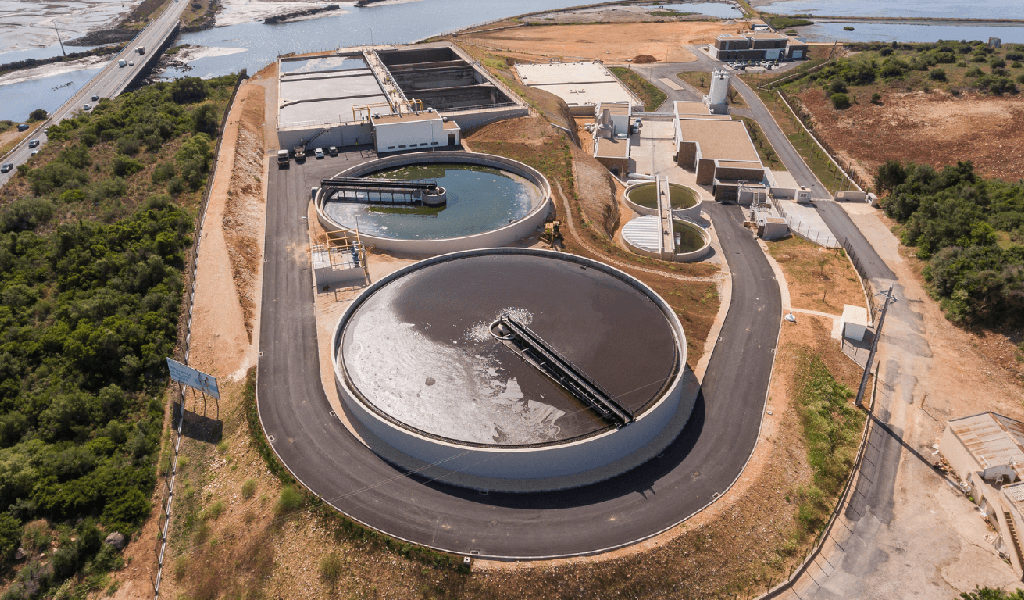
Portugal’s PACS-2026-14 notice opens the door for municipalities and public entities to secure between €10,000 and €40,000,000 for constructing and rehabilitating bulk wastewater infrastructure, enhancing treatment quality, environmental compliance, and system resilience.
Your first interim report is due-don't panic. This guide walks you through planning, financial tracking, narrative crafting, and submission best practices to turn a dreaded deadline into a relationship-building win with your funder.
The Technology Innovation Institute (TII) is offering a transformative grants program for students, researchers, and scientists affected by the Ukraine conflict, covering full tuition, stipends, and mentorship in the UAE.