closedGrant
Animal Kind International Animal Welfare Organization Grant Program
Fermé
$2k – $3k
Global
Voir l'offre complète
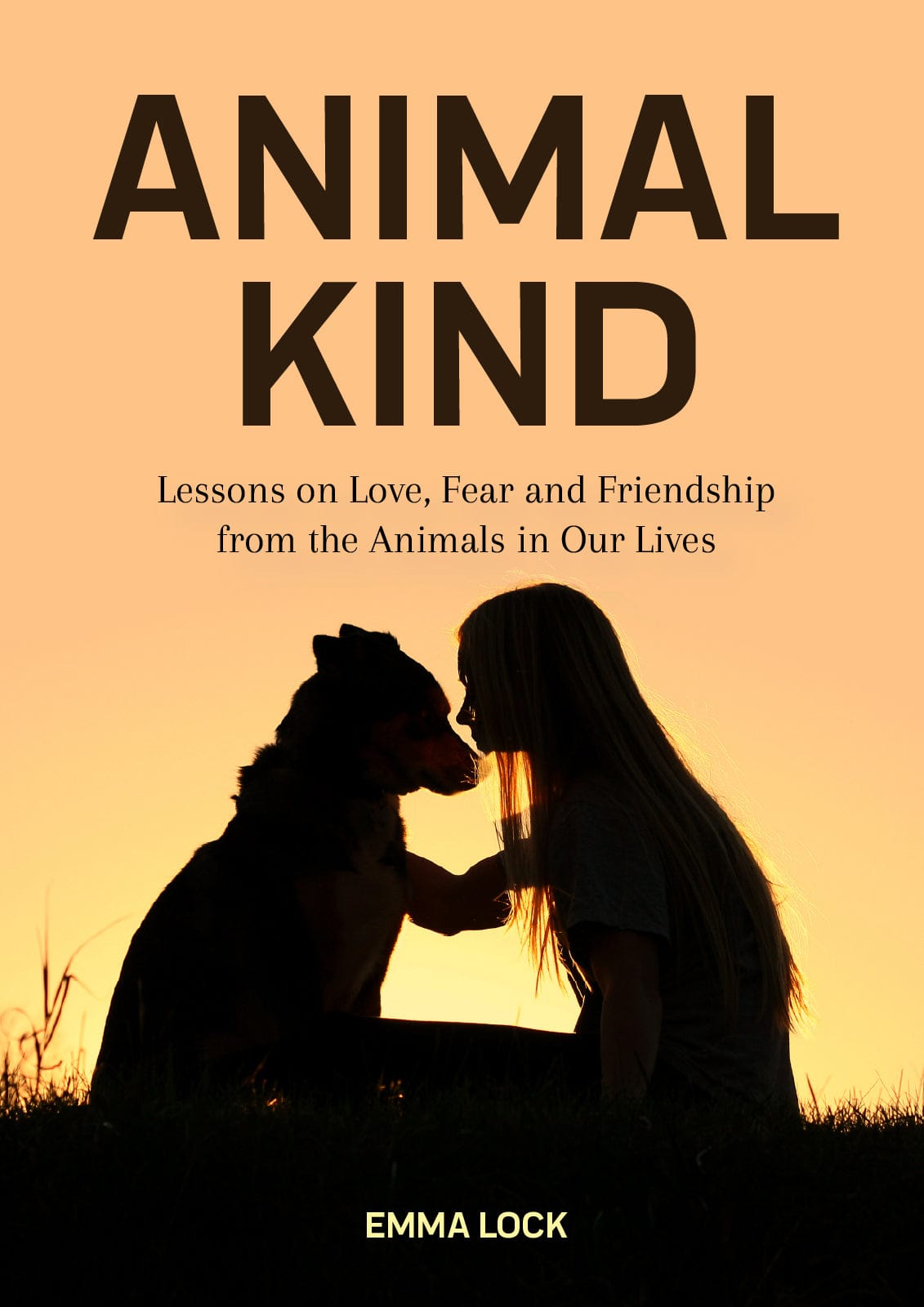
Animal Kind International is preparing its 9th annual funding round, offering $2,000-$3,000 USD to established, local NGOs running high-impact projects for dogs, cats, horses, and donkeys in Africa and Latin America/Caribbean.
This is one highlighted opportunity. GrantGunner lists many more like it - open the full listing for deadlines, eligibility, and how to apply, then explore the wider pipeline and switch on alerts for new matches.
At GrantGunner, we know that the most profound change often happens at the ground level, driven by dedicated local organizations. The Animal Kind International (AKI) Animal Welfare Organization Grant Program is a prime example of targeted funding designed to empower NGOs working directly within their communities. This program specifically focuses scarce philanthropic resources on tangible improvements in the lives of domestic animals across vast geographic regions.
As this ninth annual cycle approaches, preparing early is essential. This spotlight breaks down exactly what AKI is seeking, who qualifies, and how you can best position your organization to secure this critical seed funding when applications open on May 1, 2026.
AKI’s philosophy, as evidenced by this grant structure, centers on measurable results for companion and working domestic animals. This is not a general operational grant; it is specifically earmarked for projects benefiting dogs, cats, donkeys, and horses.
For organizations operating in resource-constrained environments, $2,000 to $3,000 USD might seem modest, but AKI frames this funding around “high-impact projects.” This language signals that the successful applicant must demonstrate exceptional efficiency and clear, direct outcomes for that investment sum.
When applying for a small, project-specific grant, the funder is looking beyond day-to-day operational costs. High impact, in this setting, likely refers to:
Your proposal narrative must rigorously define what 'high impact' looks like for your specific animal population before you even begin writing the budget.
The eligibility criteria for this program are precise and serve as an essential early filter. Organizations must meet all criteria to be considered.
The primary focus regions are Africa and Latin America/Caribbean (LAC). Funders often tailor their criteria geographically to ensure cultural alignment and local expertise, and AKI upholds this by requiring applicants to be locally registered NGOs or non-profits operating within these territories.
Crucially, organizations must have been operating for a minimum of three years. This longevity requirement strongly suggests AKI prioritizes proven stability and established community trust over newer initiatives.
Organizations operating in the US, EU, or UK are ineligible. Furthermore, AKI explicitly excludes several types of organizations, including:
A Note for Latin America and Caribbean Applicants: The brief states that eligibility for LAC organizations may be by invitation only. This is a significant detail. If your organization is based in Latin America or the Caribbean, you must prioritize visiting the official application portal as soon as it opens on May 1, 2026, to confirm the exact application route available to you for that year.
Given the limited funding amount, the application process rewards precision and deep organizational understanding. Here is how to start preparing months in advance:
Since you must prove you are a locally registered entity operating for three years, start compiling the following standard documents now:
Avoid trying to solve multiple large animal welfare issues with $3,000. Focus on achieving one or two highly specific, measurable objectives. For example:
Every dollar must be accounted for and directly linked to the high-impact outcome. Detail how the $2,000-$3,000 will be spent on the direct project delivery, minimizing administrative overhead in your projected budget narrative. High impact is often synonymous with high cost-efficiency for smaller grants.
Time management is critical, especially since this is a non-rolling, annual opportunity:
This gives organizations roughly seven and a half weeks to finalize their project scope, gather necessary documentation, write a compelling narrative optimized for the domestic animal focus, and complete the final submission.
When the application window opens, you can explore this fund and begin tracking its specific submission requirements directly on GrantGunner. We encourage you to use the platform to organize your supporting documents well ahead of the May 1st launch.
The Animal Kind International Animal Welfare Organization Grant Program represents a vital lifeline for established, localized efforts focused intensely on improving the lives of dogs, cats, horses, and donkeys across Africa and the LAC region. Success hinges on demonstrating deep local roots, proven endurance (three years minimum), and a meticulously planned, high-impact project plan that maximizes the value of every dollar requested. Start aligning your operational history with their specific domestic animal focus today.
The primary URL provided for viewing the grant program details.
Source where the initial registration and summary details for the grant were cataloged.

The Digital Energy Challenge’s Tech Accelerator offers African startups up to €150,000 in grant funding, expert mentorship, and international visibility to scale digital energy solutions. Apply by 17 June 2026.
The 2026 National Voluntary and Solidarity Action Award recognizes unpaid volunteers and groups making a tangible difference in vulnerable communities across Mexico. Nominations are open from April 30 to August 20, 2026.

Stop applying to the wrong grants. This beginner-friendly guide shows you how to build a shortlist that fits your project's exact stage-from idea to scale-using a simple five-step worksheet.