
closedGrant
Culture Helps Solidarity / Культура допомагає: Солідарність Project Grants (Round 1)
Zamknięte
EUR0 – EUR7k
 EU
EUZobacz pełną ofertę
Discover the European Cultural Foundation's 'Culture Helps Solidarity' Project Grants, offering €1,000-€7,000 for arts and culture initiatives dedicated to rebuilding trust and fostering emotional wellbeing in war-affected communities.
This is one highlighted opportunity. GrantGunner lists many more like it - open the full listing for deadlines, eligibility, and how to apply, then explore the wider pipeline and switch on alerts for new matches.
In times of profound conflict and displacement, the role of arts and culture shifts from a source of enrichment to a vital instrument of healing, resilience, and societal reconnection. The European Cultural Foundation (ECF) recognizes this powerful capacity and has launched the Culture Helps Solidarity / Культура допомагає: Солідарність Project Grants - an initiative designed to empower creative and civil society actors to mend fractured communities and rebuild trust through impactful, socially engaged projects.
This spotlight delves into this crucial funding opportunity, providing insights for eligible individuals and organizations looking to contribute to peace and solidarity through their creative endeavors.
The "Culture Helps Solidarity" Project Grants are not merely about funding artistic output; they are fundamentally about fostering connection, rebuilding trust, and enhancing emotional wellbeing among communities profoundly affected by war and its consequences. In contexts where conflict has eroded social fabrics, displaced populations, and created deep emotional scars, this program seeks to harness the unique power of arts and culture to initiate healing processes and foster a renewed sense of shared identity and mutual support.
The program is particularly attuned to the challenges faced by individuals and communities impacted by the war in Ukraine. This includes, but is not limited to, displaced persons, diaspora communities, families navigating the trauma of conflict, and veterans. By supporting projects that encourage dialogue, collaboration, and the creation of shared experiences, the ECF aims to cultivate a more resilient and cohesive society.
Projects funded under this grant are expected to be socially engaged. This means they should actively involve communities in their creation and impact, moving beyond passive consumption of art. Examples of approaches include:
The overarching goal is to leverage creativity to stimulate positive social change, promote emotional healing, and rebuild the foundations of trust that are so essential for recovery and long-term peace.
The eligibility criteria are designed to capture a diverse range of actors who can effectively deploy culture for social good.
Key Eligibility Points:
Applications are accepted in either English or Ukrainian, offering flexibility for applicants to express their ideas in the language they are most comfortable with, ensuring the true spirit of their project is conveyed.
The "Culture Helps Solidarity" Project Grants offer financial support ranging from €1,000 to €7,000 per project. This funding band is ideal for smaller, yet highly focused and impactful initiatives. It allows for:
While the amounts may seem modest, they are significant enough to make a tangible difference in the realization of well-planned, community-centered cultural projects. Applicants should focus on demonstrating how their proposed budget will efficiently support the project's goals and maximize its social impact within the target communities.
Prospective applicants should mark their calendars for the following key dates for the first round of this grant program:
These dates indicate that there is ample time to prepare a thoughtful and compelling application. It is essential to note these deadlines and plan accordingly to ensure a submission is made well in advance of the closing time.
Securing grant funding requires more than just a good idea; it demands careful planning, clear articulation, and a deep understanding of the funder's objectives. Here are some practical tips to help you prepare a strong application for the "Culture Helps Solidarity" Project Grants:
Go beyond the surface-level description. What does "solidarity" truly mean in the context of war-affected communities? What specific forms of "trust" need rebuilding? The ECF is looking for projects that demonstrate a profound understanding of the psychological and social impacts of conflict. Your application narrative should consistently weave these themes throughout your project description, showing how your artistic or cultural approach directly addresses these complex needs.
Show, don't just tell, how your project will reach and benefit the intended war-affected communities. Who are the specific groups you aim to engage? How will you involve them in a meaningful way, ensuring their voices are heard and their participation is valued? Demonstrate a genuine connection and commitment to working with these communities, rather than simply for them. Detail your outreach strategies and how you plan to build trust with potential participants.
This is a cultural grant, so your artistic or creative dimension must be central. How does your chosen art form (e.g., visual arts, performance, literature, digital media, music) serve as the vehicle for fostering social connection and emotional wellbeing? For instance, a theatre project might use improvisation to build empathy, while a visual arts project could involve collaborative mural painting to create a shared symbol of hope. Clearly articulate the relationship between your artistic methodology and your social objectives.
With a funding range of €1,000 to €7,000, detailed budget planning is crucial. Break down your anticipated costs clearly: this might include artist fees, materials, venue rental, participant support (e.g., travel stipends, refreshments), outreach, evaluation, or administrative costs. Ensure that every euro requested is directly tied to specific project activities and contributes demonstrably to achieving your stated goals. Demonstrate value for money and fiscal responsibility.
What exactly will your project do? Be specific about the activities you will undertake. For example, "conduct a series of 10 weekly participatory photography workshops," or "organize three public dialogue sessions facilitated by artists." Equally important are the anticipated outcomes. What changes do you expect to see as a result of your project? These could be increased sense of community, improved emotional expression, new social connections formed, enhanced understanding between groups, or the creation of a shared artistic output. While formal metrics might not be required, clear, observable impacts are key.
If applying as an organization, highlight your track record, expertise, and capacity to deliver projects effectively. If you are an individual or a new group, consider forming strategic partnerships. Collaborating with local NGOs, community centers, or established cultural institutions in the target regions can significantly enhance your reach, credibility, and ability to engage communities effectively. These partnerships can also provide crucial local knowledge and existing trust networks.
Thoroughly read and understand all guidelines and questions provided by the European Cultural Foundation. Ensure your application is complete, coherent, and directly addresses all prompts. Proofread carefully for any errors in grammar or spelling, as a polished application reflects professionalism and attention to detail.
Navigating the landscape of funding opportunities can be challenging. At GrantGunner, we are dedicated to simplifying this process for individuals and organizations like yours. We help you discover relevant funding opportunities, such as the "Culture Helps Solidarity" Project Grants, and provide tools and resources to support you in applying for them. Our platform aims to streamline your research, making it easier to find the grants that align with your mission and to prepare robust applications. We encourage you to explore this vital opportunity on GrantGunner and utilize our resources to strengthen your submission.
The "Culture Helps Solidarity" Project Grants offer a unique and vital avenue for artists, cultural practitioners, and civil society actors to contribute meaningfully to the recovery and resilience of war-affected communities. By fostering connection, rebuilding trust, and nurturing emotional wellbeing through creative means, these projects can play a profound role in healing and social cohesion.
If your work aligns with these objectives and you are eligible, we strongly encourage you to explore this opportunity further. The European Cultural Foundation's commitment to culture as a tool for peace and solidarity is a powerful testament to its enduring impact. Let your creativity be a force for positive change and reconnection.
The official announcement and information page for the grant program.
The portal where applications for this grant opportunity are submitted.
Discover how U.S. students, recent graduates, and early-career artists can pursue study, research, or English Teaching Assistantships in Ireland through the prestigious Fulbright U.S. Student Program, with the 2027-2028 competition now open.
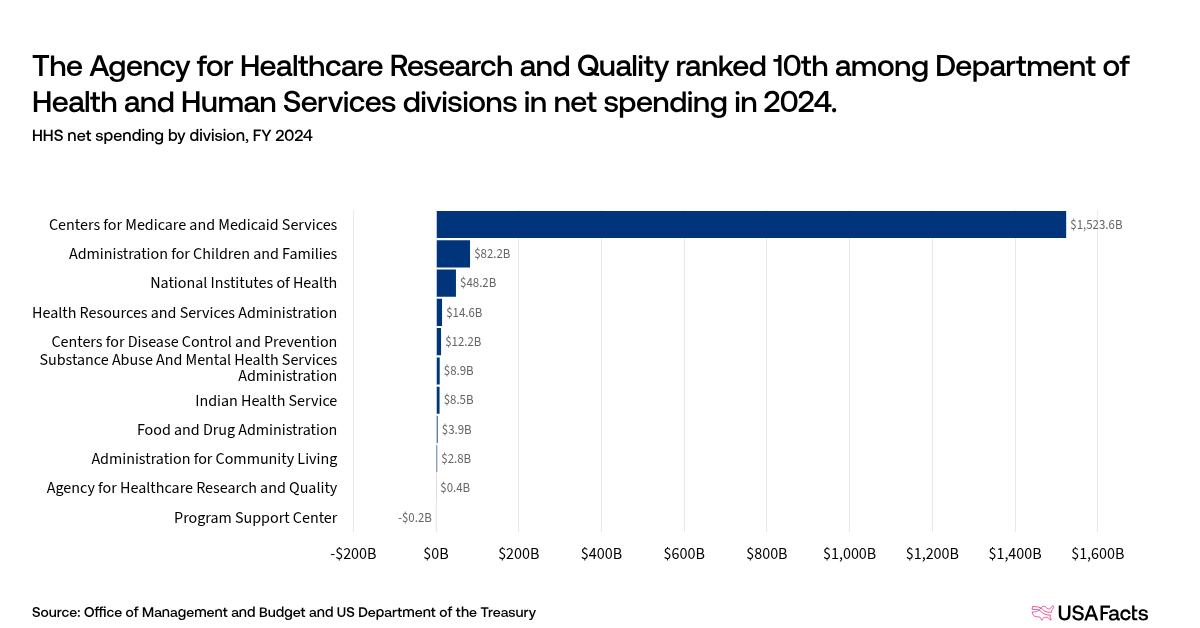
The AHRQ R36 program supports doctoral candidates conducting health services research for their dissertation, providing up to $50,000 in funding. This blog post explores eligibility, application tips, and how this grant can jumpstart your career.
Learn the art of pre-packing your grant application for UK emergency response funds. Discover how to prepare core documents, budgets, and impact narratives in advance to apply within 48 hours of a funding announcement.