closedGrant
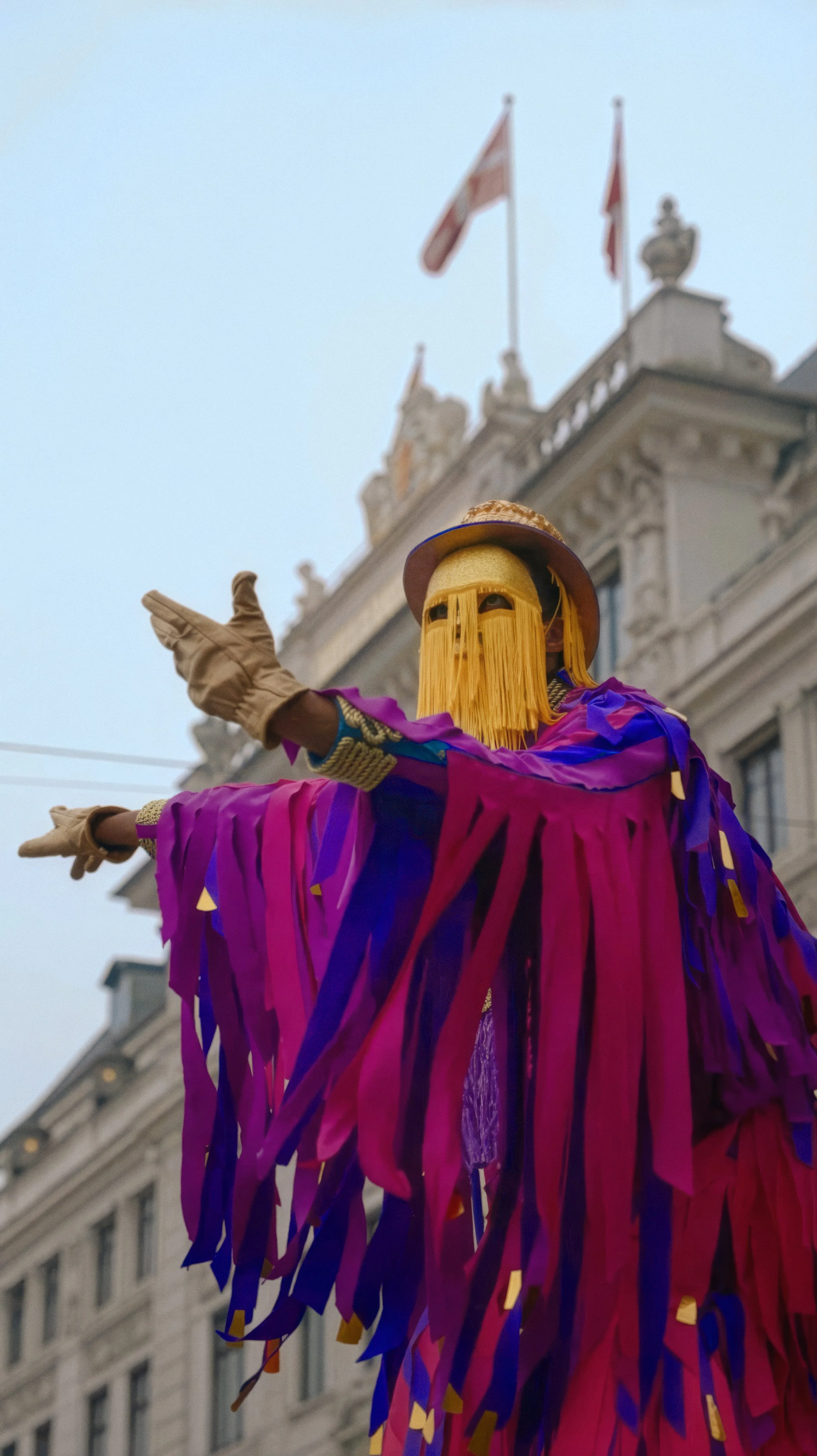
UP NEXT 2026 — Annual Exhibition for Emerging Afro-Nordic Artists
Stängd
Global
Visa hela utlysningen
An open call is available for established South African visual artists to propose solo exhibitions for placement on the prestigious Oliewenhuis Art Museum's calendar through 2030.
This is one highlighted opportunity. GrantGunner lists many more like it - open the full listing for deadlines, eligibility, and how to apply, then explore the wider pipeline and switch on alerts for new matches.
For visual artists in South Africa, securing a solo exhibition at a nationally recognized institution is a defining moment in a professional career. The Oliewenhuis Art Museum, operating under the umbrella of the National Museum Bloemfontein, has officially issued an open call seeking proposals from accomplished South African artists for integration into its exhibition calendar spanning the next four years. This opportunity is not just a placement on a schedule; it is an invitation to engage with a major cultural venue and solidify your artistic narrative.
This spotlight breaks down exactly what the brief requires, helps you strategically assess your fit, and provides actionable steps for crafting a compelling submission before the deadline approaches.
This opportunity is highly specific, prioritizing artists who have already built a foundation in the professional art world. Before investing time in proposal development, rigorously check these four core pillars of eligibility:
1. Citizenship and Residency:
Applicants must hold South African citizenship. The brief explicitly notes that an SA ID will be required for verification purposes. This immediately frames the opportunity as one dedicated entirely to supporting the national artistic community.
2. Professional Development:
You must demonstrate post-tertiary art production experience. This implies that completion of formal art education (university degree, diploma, or equivalent recognized certification) is a baseline requirement, coupled with demonstrable activity in producing artwork professionally since that training.
3. Exhibition History:
It is required that applicants possess a verifiable exhibition history. This suggests that while an artist may be applying for their first major institutional solo show, they must have previously shown work in reputable group settings, commercial galleries, or other significant platforms.
4. Volume of Work Ready for Display:
Crucially, you must have a minimum of 10 completed, exhibition-ready artworks. This is a vital logistical requirement. The selection committee needs assurance that your proposed concept can be realized quickly and professionally without significant delay for production, meaning the works must be finished, framed/mounted appropriately, and ready for installation upon acceptance.
If you meet these prerequisites, you are positioned to move forward. If any criteria are uncertain, your primary action should be to seek clarification directly through the provided application contact point.
Winning a spot in the four-year calendar is competitive. The selection process employs a clear dual mechanism: objective scoring based on merit, and preferential consideration based on specific equity criteria.
The Merit Floor:
Proposals will be judged based on a merit scoring system, requiring applicants to achieve a minimum score of 65 out of 100. While the specific rubric is not detailed in the public brief, this threshold suggests that reviewers are looking for conceptual strength, artistic maturity, technical excellence, and a clear connection between the proposed exhibition theme and the museum’s program.
Preference Matters:
After the merit score is established, preference is given to artists falling into specific categories:
This preference structure signals the museum’s commitment to fostering new voices and providing platforms for those who have historically faced barriers to institutional access. If you are an artist who has already had a dedicated solo show there recently, bear in mind that you may be competing against artists who are newer to the Oliewenhuis platform.
Given the high standards implied by the merit scoring, your submitted proposal must act as a persuasive argument for why your exhibition should occupy valuable calendar space over the next four years. Since the brief does not list required proposal components, we advise tailoring your submission to reflect what major institutions typically require:
A Note on Resources: The research brief lists the funding minimum and maximum as null. This means the specific nature of the support-whether it covers installation, travel, a stipend, or if it is purely for exhibition space allocation-is unclear from this summary. Applicants must seek explicit details regarding financial or resource support when contacting the museum during the application process.
This is a time-sensitive opportunity with a definitive closing date for submissions based on the research brief:
Submission Method:
Applications must be submitted via email to the designated contact: [email protected].
Do not wait until late May 2026. Use the lead time now to rigorously audit your portfolio against the 10-artwork minimum and refine your conceptual statement to maximize your merit score.
Ready to assemble your application package? You can track the status and find direct links to the official listing for the Oliewenhuis Art Museum Solo Exhibition Proposals from South African Artists directly on GrantGunner. Leverage our platform to ensure you capture every detail for this valuable career milestone opportunity.
The primary source detailing the exhibition call, dates, and eligibility requirements.
Direct contact point for submitting proposals and confirming submission guidelines.

SASSA’s 2026 social grants-including Old Age, Child Support, SRD R350, and more-are open for applications. Free to apply online, at local offices, or via WhatsApp-find out if you qualify and how to apply.
Grant writers are using AI more than ever, but funders are watching for red flags. This audit framework helps you catch compliance risks, strengthen your evidence, and prove you're a thoughtful partner-not a prompt engineer.

Master the art of blending urgency, data, and narrative to convince funders your school needs this intervention right now. Learn the exact structure and evidence-based strategies top grant writers use.