Back to Blog
ResidencyStudio CraftIn-Kind SupportProfessional Development2027 Start
Deep Dive: The Penland Resident Artist Program - Investing in Your Craft Career Transition
Discover the transformative, in-kind support offered by the Penland Resident Artist Program for professional craft artists seeking dedicated time for technical expansion or career navigation.
365 views
Featured funding opportunity
This is one highlighted opportunity. GrantGunner lists many more like it - open the full listing for deadlines, eligibility, and how to apply, then explore the wider pipeline and switch on alerts for new matches.
The Penland Resident Artist Program: Cultivating the Next Phase of Your Craft Career
For many professional craft artists, the greatest hurdle isn't creative vision, but securing the uninterrupted time, space, and resources necessary to pursue ambitious projects or pivot toward long-term sustainability. Monetary grants are excellent, but sometimes the most powerful form of funding is the removal of overhead.
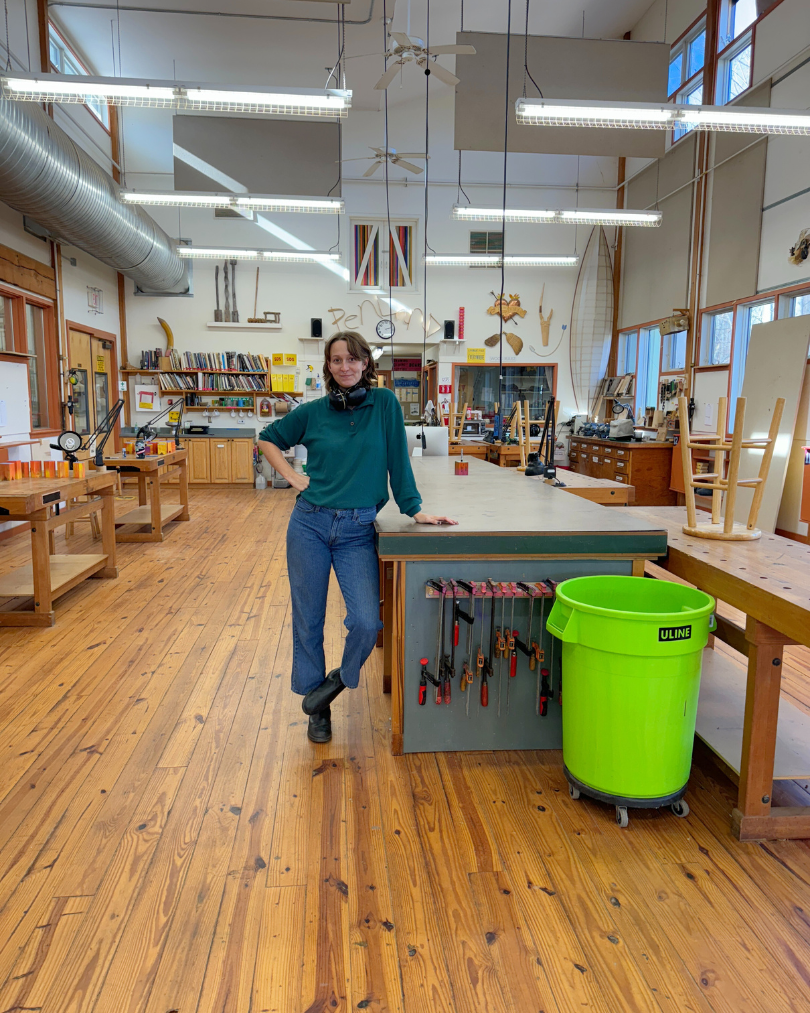
The Penland Resident Artist Program, offered by the prestigious Penland School of Craft, provides exactly this foundation. This spotlight focuses on one of the most valuable in-kind opportunities available to makers working across diverse studio crafts, offering residency tracks designed for artists at critical junctures in their professional trajectory.
While this opportunity does not offer direct monetary funding (the listed amount is $0 USD), the provision of housing, studio space, and utilities represents a substantial, focused investment in your ability to create and innovate.
Choosing Your Path: 1-Year vs. 3-Year Commitments
Penland recognizes that artists in pivotal stages require different levels of commitment. Applicants must choose between two distinct residency structures, each tailored to specific professional goals:
The 1-Year Project-Based Residency
This track is ideal for artists ready to launch a focused, intensive period of work. The 1-year residency is specifically geared towards:
- Technical Expansion: Deep diving into new processes or mastering advanced skills within your existing medium.
- Conceptual Development: Providing the necessary isolation and focus to research, experiment, and solidify new bodies of work or theoretical frameworks.
If you have a clearly defined project scope that requires dedicated, distraction-free studio time, this option offers a powerful incubation period.
The 3-Year Career Transition Residency
For established professionals facing strategic decisions about their practice, the 3-year residency offers long-term stability to enact significant change. This track is designed for:
- Advancing Studio Practice: Developing a mature body of work ready for major exhibitions or market shifts.
- Navigating Professional Sustainability: Using the time to pivot your business model, build crucial relationships, or establish infrastructure for a redefined long-term career path.
The three-year duration allows for iterative development, crucial community engagement, and the complex planning required for deep professional shifts.
The In-Kind Value Proposition: What Penland Provides
The true 'funding' of this residency lies in covering essential overhead, allowing the artist to dedicate 100% of their energy to their craft. Recipients of the Penland Resident Artist Program receive:
- Free Housing: Essential living space secured for the duration of the residency.
- Studio Space: Dedicated access to specialized studio facilities.
- Utilities Covered: Relief from monthly utility costs associated with maintaining a creative workspace and residence.
- Workshop Enrollment: One tuition-free enrollment in a Penland workshop, offering an opportunity to learn from visiting experts or cross-pollinate ideas with the broader creative community.
These components significantly reduce the financial barriers that often stall ambitious creative endeavors.
Who Should Mark Their Calendars?
This opportunity is specifically targeting self-motivated professional craft artists. The emphasis on professional suggests that applicants should have an established practice, although no prior connection to Penland is required.
Applicable Studio Crafts Include:
- Books
- Clay
- Drawing/Painting
- Letterpress
- Iron
- Metals
- Papermaking
- Photography
- Printmaking
- Textiles
- Wood
Crucial Note on Exclusions: For this cycle, hot glass is explicitly excluded from consideration. Artists working in this medium should look for other opportunities.
International Applicants
Penland welcomes international craft artists. While the program provides a necessary invitation letter to assist with visa applications, it is crucial to understand that international applicants must independently secure their own US visa. Penland is not listed as a sponsoring organization for visa purposes, so diligence in securing immigration status is required well in advance of the residency start date.
Timeline and Application Strategy: The Critical Window
The upcoming cycle demands preparation, as the application window is concise:
- Opens: April 15, 2026
- Deadline: June 15, 2026
This leaves approximately two months between the opening date and the final submission deadline. Since this is a highly competitive, specialized residency, you cannot afford to wait until the last week to finalize your portfolio or statements.
Practical Tips for a Competitive Application
Successfully applying for a residency like Penland requires demonstrating not just artistic capability, but also a clear vision for how the residency period will be utilized. Use the following framework to guide your preparation:
1. Clarify Your Goals Alignment:
Before you start writing your project proposal, firmly decide whether you are pursuing the 1-year or 3-year track. Your written proposal must explicitly address the chosen track’s aims. If you opt for the 3-year path, articulate the long-term sustainability goal; if you choose the 1-year path, define the technical or conceptual breakthrough you seek.
2. Portfolio Strength is Paramount:
As an outcome of your professional status, your portfolio must be impeccable. Residencies assess your current skill level and the caliber of work you are capable of producing under ideal conditions. Ensure your images are high resolution and clearly represent the medium you intend to practice at Penland.
3. Demonstrate Self-Motivation:
The brief repeatedly emphasizes that applicants must be self-motivated. Your written materials should reflect an artist who doesn't require external management. Show evidence of independent learning, previous successful projects executed without heavy oversight, and a clear understanding of the work habits required for months of dedicated studio time.
4. Review Program Logistics:
Since you will be relying heavily on the provided infrastructure (studio, housing), demonstrate that you understand the unique environment of a craft school residency. Familiarity with the required media safety protocols (especially concerning Iron or Clay) can be beneficial, showing you are ready to integrate smoothly into the facility.
Next Steps on GrantGunner
Opportunities like the Penland Resident Artist Program are excellent targets for artists looking to invest deeply in their practice outside of traditional cash grants. The value provided here-time, space, and support-is often what breaks creative stagnation.
We encourage you to explore the full details and begin preparing your materials now. You can find the Penland Resident Artist Program listing and access the official application portal via GrantGunner. Use our platform to track deadlines and ensure you submit your application before the June 15, 2026 deadline.
The Penland School of Craft has a long history of nurturing craft excellence. Securing this residency could provide the runway you need to launch the next, most important chapter of your artistic journey, commencing in mid-March 2027.
Sources & References
- Penland Resident Artist Program Application Portal
The official portal where applicants will submit their materials for the residency program.
- Complete Guide to 2026 Artist Grants Opportunities (Source Page)
The page referencing the opportunity details, providing initial context and dates.
More from the blog
View all postsethical aigrant writingai audit
The 5-Step Ethical AI Audit Every Grant Applicant Should Run Before Hitting Submit
Grant writers are using AI more than ever, but funders are watching for red flags. This audit framework helps you catch compliance risks, strengthen your evidence, and prove you're a thoughtful partner-not a prompt engineer.
27 views

researchersUN practitionersglobal challenges
Bridging Worlds: The UN-ETH Incubator Ignites Global Change Through Science Diplomacy
The UN-ETH Incubator funds new collaborations between UN teams and ETH Zurich researchers to solve pressing global challenges. Proposals for the 2026 cycle are open from May 7 to July 5.
156 views

acceleratordigital energyAfrica
Accelerate Your Digital Energy Startup with €150,000 and Expert Support
The Digital Energy Challenge’s Tech Accelerator offers African startups up to €150,000 in grant funding, expert mentorship, and international visibility to scale digital energy solutions. Apply by 17 June 2026.
239 views