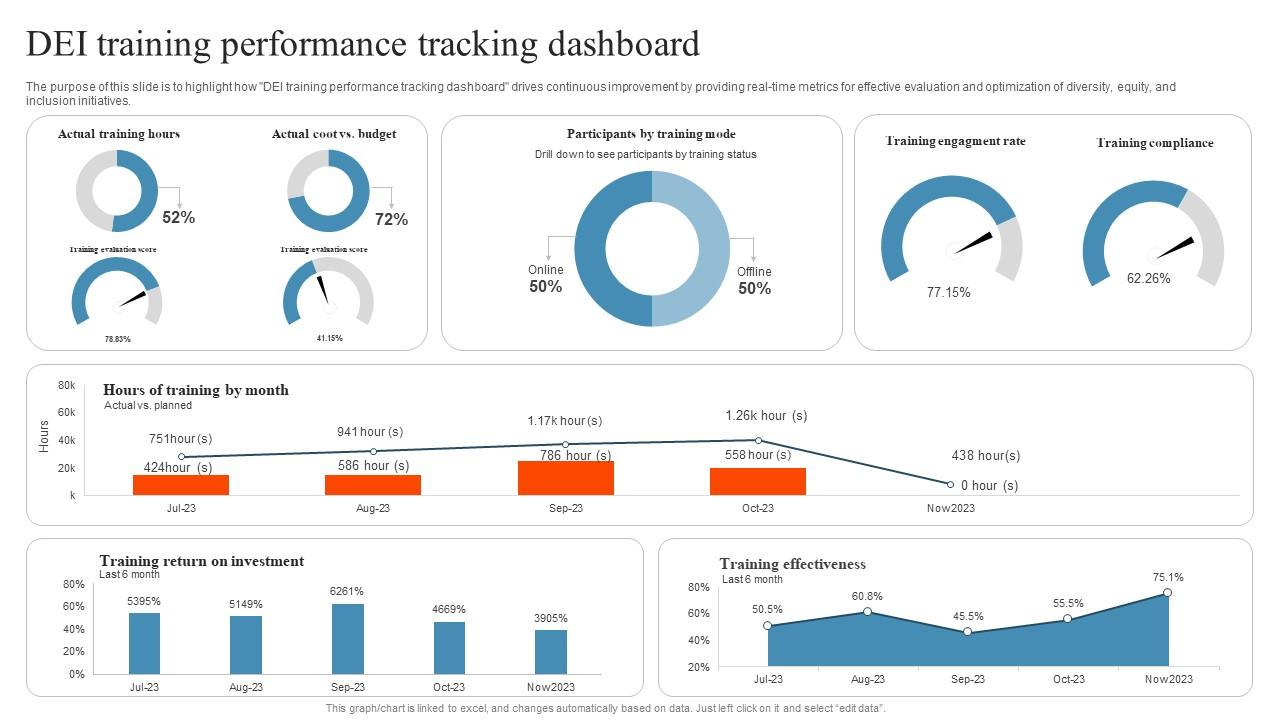
If you’ve seen headlines about a new “2025 U.S. Federal Funding Transparency Rule” requiring DEI reporting, pause — and read this carefully.
There is no such rule. No federal statute, regulation, or codified policy bearing that title exists. What’s unfolding instead is something far more consequential: a rapid, agency-by-agency enforcement escalation — grounded in long-standing civil rights law, amplified by executive action, and enforced through certifications, audits, and the False Claims Act.
For grantmakers — especially nonprofits, universities, health systems, and workforce development providers — this shift isn’t about publishing diversity dashboards. It’s about audit readiness, legal defensibility, and protecting your funding stream.
The Real Drivers: EO 14173, DOJ Guidance, and SAM.gov Certifications
Three interlocking developments define today’s landscape:
Executive Order 14173 (Jan. 21, 2025) directs agencies to ensure federally funded programs avoid “illegal discrimination” — a term the Department of Justice has clarified includes race- or gender-based preferences that violate Title VI, Title VII, or Section 1981.
DOJ’s July 2025 Guidance Memo explicitly warns that false certifications of compliance may trigger False Claims Act (FCA) liability — meaning grantees could face treble damages for misrepresenting their DEI practices. As Epstein Becker Green notes, FCA investigations involving DEI rose from zero in 2024 to at least 14 active matters by December 2025.
The new SAM.gov certification, effective February 2026, requires all entities registering or renewing in the System for Award Management to attest they “will not fund, subsidize, or facilitate illegal discrimination.” This isn’t optional — it’s embedded in eligibility.
💡 Key insight: This is certification over disclosure. Agencies aren’t collecting DEI metrics — they’re demanding proof that your programs comply with civil rights law. Reporting only happens reactively: during audits, investigations, or complaints.
What’s Changing on the Ground — and What’s Not
Contrary to widespread confusion, no federal agency now mandates routine reporting of staff demographics, beneficiary disaggregation, or DEI program outcomes. Instead, grantmakers are urgently:
Conducting “DEI legal audits”: Third-party reviews of hiring criteria, scholarship language, outreach materials, and training content — assessing alignment with Title VI/VII standards. The American Bar Association reports this is now standard practice among large universities and national nonprofits.
Reclassifying DEI oversight: Chief Diversity Officers are increasingly reporting to General Counsel or Compliance Officers — not CEOs. Why? Because documentation (policies, training logs, grievance records) is now required for audit defense.
Revising program language — strategically: Terms like “Black women entrepreneurs” or “LGBTQ+ youth in reentry” are being replaced with legally defensible alternatives: “entrepreneurs facing systemic barriers to capital access” or “youth navigating justice system reentry with intersecting socioeconomic challenges.” As APS Law observed, the Office of Head Start halted all DEI-linked TTA in early 2025 — forcing grantees to rebuild curricula around civil rights compliance, not identity categories.
A Critical Paradox — and How to Navigate It
Here’s the tension every mission-driven grantmaker feels: The organizations most committed to serving marginalized communities are now under the highest scrutiny — yet also most dependent on federal funds.
A behavioral health clinic serving predominantly Latinx patients, a reentry program supporting formerly incarcerated individuals, or a rural education initiative targeting students with limited broadband access — all face intensified review when their logic models reference equity or inclusion.
The solution isn’t retreat. It’s precision.
✅ Do: Document how each inclusive practice fulfills a civil rights obligation — e.g., “Spanish-language intake forms comply with Title VI’s national origin nondiscrimination requirement.”
✅ Do: Audit existing grant agreements for DEI performance clauses — many pre-2025 awards contain outdated language vulnerable to challenge.
✅ Do: Train program staff using DOJ’s distinction between “unlawful preference” (e.g., reserving slots by race) and “permissible accommodation” (e.g., providing ASL interpreters or trauma-informed case management).
❌ Don’t: Assume “equity-focused” is interchangeable with “legally compliant.” Context, documentation, and intent matter — and will be examined.
Looking Ahead: State-Federal Friction & Proactive Preparedness
While federal enforcement tightens, states like California, New York, and Washington continue mandating DEI reporting for state-funded grants — creating complex, parallel compliance systems. Preemption applies only where state law directly conflicts with federal requirements, per the Government Contracts & Investigations Blog.
In this environment, proactive preparation isn’t risk-avoidance — it’s stewardship. It means protecting your mission, your team, and your beneficiaries by grounding equity work in legal clarity — not just good intentions.
The goal isn’t to stop advancing inclusion. It’s to do it in a way that’s sustainable, defensible, and fully aligned with the law.
