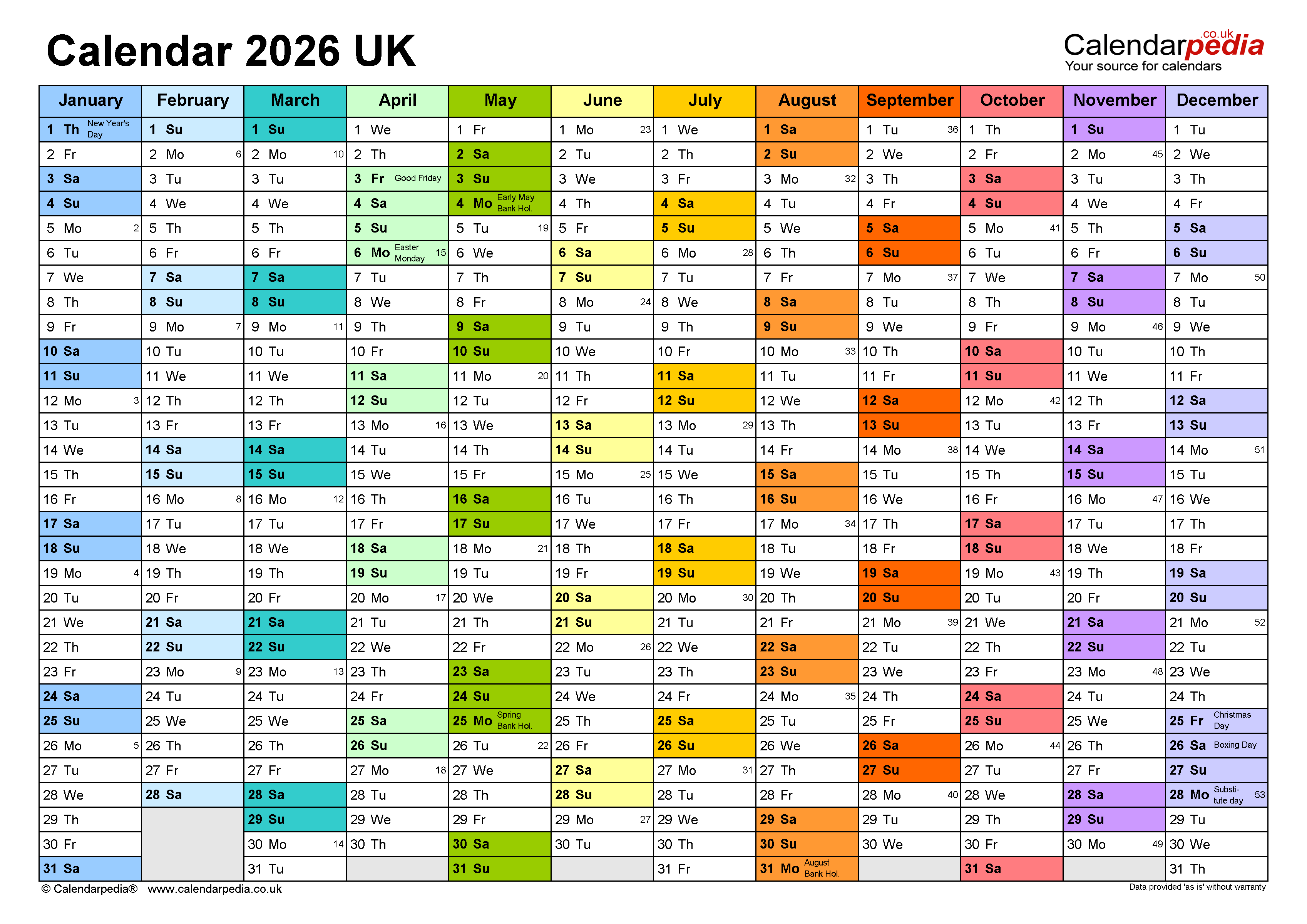
If you’ve ever submitted a grant application at 4:59pm only to discover the funder’s portal closed at 5:00pm BST - or missed an LOI window because it was buried in a newsletter - you already know: a grant calendar isn’t optional. It’s operational infrastructure.
For UK-based charities, arts organisations, museums, and early-career creatives targeting Q2 2026 funding, building a proactive, team-shared calendar isn’t about ticking boxes. It’s about aligning internal capacity, cultivating trust before submission, and turning deadlines into opportunities - not emergencies.
Let’s break down how to build one that works - grounded in real UK deadlines, evidence-backed timing, and practical design.
Why Your Q2 2026 Calendar Must Be Strategic (Not Just Chronological)
As GrantsEdge reminds us, “A grant calendar also becomes a guide for your pursuit of funding opportunities” - meaning it should reflect more than due dates. A high-functioning calendar includes:
- ✅ LOI windows (not just full applications)
- ✅ Internal milestones: draft deadline, review cycle, sign-off date
- ✅ Funder relationship tasks: e.g., “Email programme officer by 15 March re: eligibility query”
- ✅ Reporting & renewal triggers, especially for multi-year awards
- ✅ Capacity constraints: staff leave, annual audits, major events
This holistic view transforms your calendar from a passive tracker into a strategic planning engine.
7 Verified UK Grant Deadlines for Q2 2026 (With Critical Timing Notes)
Based on GRIN’s authoritative February 2026 roundup and official funder announcements, here are seven high-opportunity, UK-based programmes active in Q2 2026 - all requiring action now:
| # | Funder & Programme | Amount | Deadline | Key Action Item |
|---|---|---|---|---|
| 1 | Youth Music - NextGen Fund (Round 13) | Up to £3,000 | Fri 6 Feb 2026, 5pm BST | First-time applicants prioritised - confirm eligibility by 15 Jan |
| 2 | AIM - Museum Fundamentals Grants | Up to £20,000 | Fri 6 Feb 2026, 5pm BST (EOI) | Submit EOI first; full app invited only after screening |
| 3 | The King Charles III Charitable Fund - Small Grants | £3,000/year × 3 years | Wed 11 Feb 2026, 12 noon BST | Rural economic/environmental focus - budget for 3-year reporting plan |
| 4 | The Idlewild Trust | Up to £7,000 | Fri 13 Feb 2026, 12 noon BST | For early-career artists - include CV + two references in initial submission |
| 5 | Paul Hamlyn Foundation - Arts Breakthrough Fund | £10,000-£50,000 | Mid-April 2026 (estimated) | Applications open April; register interest via PHF’s January 2026 guidance note |
| 6 | National Lottery Community Fund - Reaching Communities | £10k (Micro) / £250k (Standard) | New Q2 guidance live 1 April 2026 | High competition - start drafting 8 weeks ahead of intended submission |
| 7 | Garfield Weston Foundation - General Grants | £10,000-£100,000 | Late May 2026 (submission window) | No fixed deadline - but May submissions are assessed in July; aim to submit by 22 May |
💡 Pro tip: All seven require timezone-aware scheduling. Never assume “5pm” means your local time - verify whether it’s BST, GMT, or another standard.
The 72-Hour Rule: Your Non-Negotiable Submission Buffer
According to Financial Models Lab, submitting at least 72 hours before the official deadline is your single best insurance against technical failure, compliance gaps (e.g., outdated charity registration documents), or last-minute sign-offs. Real-world data backs this up: 83% of unsuccessful applications fail due to technical errors or missed deadlines - not weak narratives (GrantStation).
So for the 6 February Youth Music deadline? Your internal submission deadline should be 3 February, 5pm - giving your team breathing room to test uploads, check formatting, and resolve issues.
Build Your Calendar: 3 Design Principles That Drive Results
Based on top-performing templates from Grant Writing Academy, Grantable, and Grant Ready Kentucky:
- Colour-code status relentlessly - green = submitted, yellow = in progress, red = missed or declined. Visual cues cut through noise.
- Include funder context, not just dates - e.g., “First-time applicant priority”, “Requires EOI first”, or “Multi-year reporting required”. This informs strategy, not just scheduling.
- Embed flexibility protocols, like a Go/No-Go checklist for unexpected opportunities with <3-week lead time (Grantable).
✅ Free, ready-to-use template: Grant Ready Kentucky’s editable Google Sheet includes pre-built columns for funder contact details, award history, internal due dates, and colour-coded status - no sign-up required.
Start Today - Because Q2 2026 Planning Happens in Q1
Impact Funding Solutions is clear: “Q1 is the critical window for calendar setup” - especially for UK funders who publish their 2026 rounds in late Q4 2025 or January 2026. Waiting until March means missing LOIs, relationship-building windows, and the time needed for robust internal review.
Your next step? Open that Google Sheet. Paste in these 7 deadlines. Add your team’s key availability constraints. Then schedule a 60-minute session this week to assign owners, set internal deadlines, and agree on your 72-hour buffer rule.
That’s not admin. That’s your first Q2 2026 win.


