
closedResearch Grant
10×10 Photobooks Research Grants: Cycle 5 (2026-2027)
Closed
$3k
View full listing
Explore the 10×10 Photobooks Research Grants, a targeted $2,500 funding opportunity dedicated to supporting deep scholarship on photobook history related to Black identity, Africa, and the diaspora.
This is one highlighted opportunity. GrantGunner lists many more like it - open the full listing for deadlines, eligibility, and how to apply, then explore the wider pipeline and switch on alerts for new matches.
For researchers, curators, and historians dedicated to understanding the visual narratives embedded within photography, the photobook remains one of the most potent and intimate forms of artistic expression. Recognizing the vital importance of cataloging and interpreting these histories-particularly those often marginalized in mainstream scholarship-10×10 Photobooks has established a powerful funding mechanism.
GrantGunner is turning the spotlight this week on the 10×10 Photobooks Research Grants: Cycle 5 (2026-2027). This initiative offers targeted financial support to deep-dive research projects that focus specifically on the history of the photobook as it intersects with Black identity, Africa, and the African diaspora.
This is not just a general arts grant; it is a highly specific and essential investment in academic inquiry shaped by visual media. If your scholarly work focuses on bridging gaps in the historical record through the analysis of photographic books from these regions or communities, this cycle presents a crucial chance to secure dedicated funding.
This grant program is designed to support focused, high-impact research outcomes. For Cycle 5, 10×10 Photobooks plans to award three grants, each valued at $2,500 USD.
While $2,500 may serve as seed money or crucial supplemental support, the true value of this opportunity lies in the institutional recognition and the specific deliverables required. Applicants must be prepared to fulfill several tangible outputs within one year of receiving the award:
These concrete deliverables ensure that the research moves beyond the individual scholar’s desk and contributes directly to the dialogue surrounding photobook history.
The eligibility criteria for these research grants are refreshingly broad, reflecting a commitment to accessibility in scholarship:
If you are operating independently, self-funding your archival research, or seeking initial support before approaching larger institutional bodies, you are strongly encouraged to highlight how this $2,500 can specifically enable the research required for your essay and presentation.
Given the specific nature of the required outputs and the highly focused theme, successful applicants will demonstrate laser focus. Here are practical steps to strengthen your submission:
1. Align Your Vision Precisely:
Before drafting any materials, critically analyze your project proposal against the focus area: photobook history concerning Black identity, Africa, or the diaspora. A tangential project on contemporary photography or general African art history, while valuable, will likely be screened out. Your research question must hinge on the book as the primary artifact.
2. Outline Your Deliverables Now:
Because you must produce a written essay and a virtual talk, plan your structure simultaneously. How will the 1,500 words translate into a compelling 20-minute presentation? Draft a thematic outline for both deliverables now; this demonstrates to the committee that you have already roadmaped the required output.
3. Secure Visual Access (If Applicable):
Since the essay must be illustrated, consider early steps toward securing necessary reproduction permissions or identifying accessible archives. While the grant money might cover some associated costs, demonstrating foresight regarding your visual sources enhances credibility.
4. Note the Deadline:
Submissions for Cycle 5 are due on March 23, 2026. Start early to ensure your application materials are polished and ready well in advance of this hard deadline.
If you are ready to dive deeper into the specific application instructions or need to review the terms and conditions, you can find the full listing for the 10×10 Photobooks Research Grants: Cycle 5 (2026-2027) directly on GrantGunner. Use our platform to save this opportunity and manage your application process.
This grant represents a vital chance to gain support for scholarship that deepens our collective understanding of visual culture and diaspora history. We encourage all eligible researchers to explore this pathway to funding.
The direct application portal for the grant opportunity.
The primary source providing the details for this specific grant cycle.

The ÖGUT Environmental Award 2026 offers €40,000 across six categories and two special awards for Austrian individuals and organizations driving sustainability, climate protection, and the circular economy. Applications are open from May 17 to July 13, 2026.
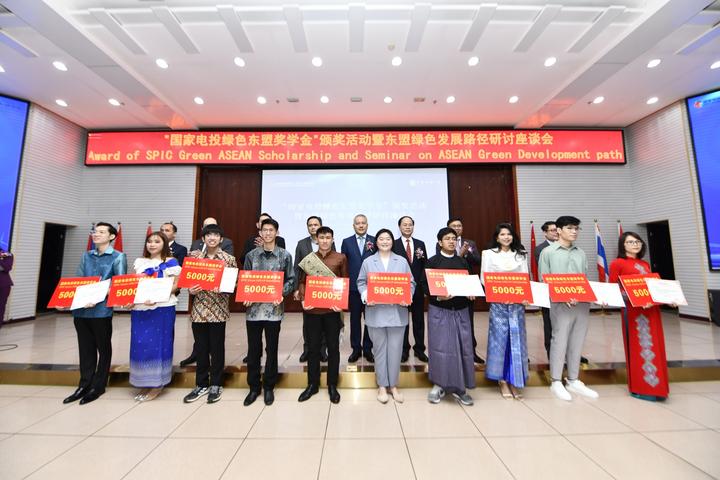
A 5 million CNY scholarship fund from SPIC Guangxi and Guangxi Minzu University awards 200 ASEAN students 5,000 CNY each annually from 2022 to 2026, supporting green energy education and regional talent development.

The AISCA Research Grant offers African AI startups and academic researchers in Kenya, Nigeria, Rwanda, and South Africa free access to sovereign GPU infrastructure and mentorship, with 60% of spots reserved for women applicants.